
Renovation
Historic Home Renovation Debris Buffalo
A guide to renovation debris from Buffalo's historic housing stock, covering plaster and lath, older materials, permits in historic districts, and dumpster sizing.
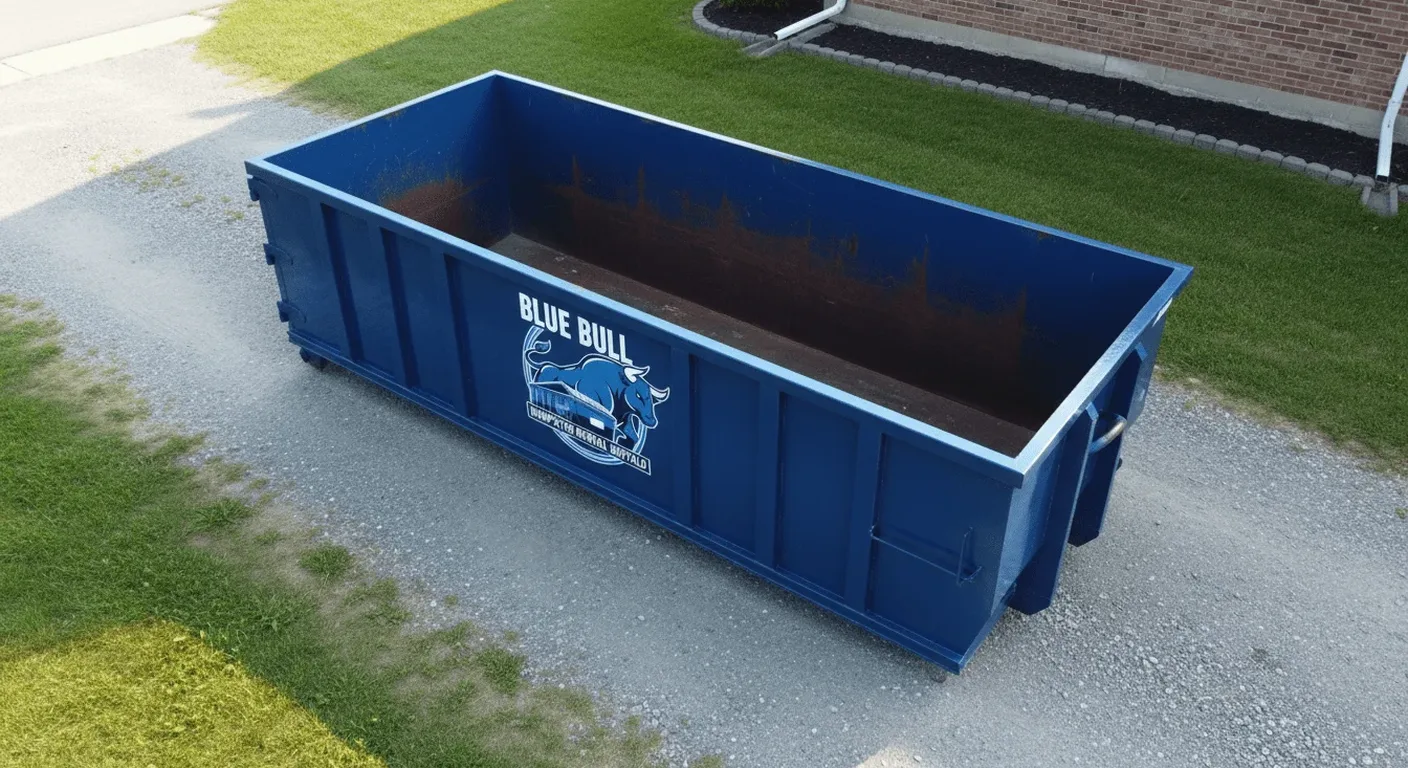
Buffalo has one of the best-preserved collections of late 19th and early 20th century housing in the country, and renovating a piece of it comes with its own kind of debris. Plaster walls instead of drywall, full basements with old coal-bin remnants, slate or multi-layer asphalt roofs, and decades of updates layered on top of original construction all mean a Buffalo renovation generates heavier, denser, and more varied debris than a comparable project in a newer subdivision. Here's what to actually expect and how to plan the dumpster side of the job.
Buffalo's Historic Housing Stock
From the Elmwood Village and Allentown historic districts to the Frank Lloyd Wright–designed Darwin Martin House in Parkside, Buffalo's older neighborhoods carry real architectural weight, and much of the housing stock around them dates to the same era. The classic Buffalo two-family "double," the American Foursquare, and the North Buffalo and Kenmore bungalow are all common renovation projects, and they share a lot of the same bones: balloon-frame construction, full basements, horsehair plaster over wood lath, and knob-and-tube wiring that's often still partially in place even after later updates. Renovating one of these homes usually means working through several layers of 20th-century updates before you even get to the original material underneath.
Why Plaster and Lath Change Your Debris Math
The single biggest difference between renovating an older Buffalo home and a newer one is what's on the walls. Plaster-and-lath construction is dramatically heavier than modern drywall — a full room of plaster and lath, once it's off the studs, weighs significantly more per square foot than the same wall area in drywall. This matters for dumpster sizing, because it's easy to underestimate a plaster tear-out based on volume alone. A 20-yard dumpster that would easily handle a drywall demo from a similarly sized room can hit its weight limit on plaster well before it's visually full. If you're pulling plaster from multiple rooms, talk to us about weight allowances before you book, and consider our demolition debris service, which is built around exactly this kind of dense material.
Lead Paint and Older Finishes
Homes built before 1978 — which describes the vast majority of Buffalo's historic housing stock — may have layers of lead-based paint under newer finishes. Federal renovation rules require lead-safe work practices when disturbing painted surfaces in these homes, and any contractor doing the work should already be certified for it. This mainly affects how the work itself is done rather than what goes in the dumpster, but it's worth confirming with your contractor before demo starts, especially on trim, windows, and exterior siding where older paint layers are most likely to be intact.
Permits and Buffalo's Preservation Board
If your home sits inside a designated historic district — Elmwood Village and Allentown are the two best known, but there are others around the city — exterior work often needs sign-off from Buffalo's Preservation Board before you start, separate from any standard building permit. This typically covers visible exterior changes: roofing, siding, windows, porches, and additions. Interior renovation generally isn't subject to the same review, but it's worth checking before you plan exterior work on an older home, since retroactively fixing an unapproved change can be far more expensive than getting sign-off up front. Our guide on dumpster permits in Buffalo covers the separate question of getting a container placed legally on a public street, which is common on the narrower lots typical of these neighborhoods.
What Typically Fills the Dumpster
Renovation debris from an older Buffalo home tends to include a heavier mix than a newer build: plaster and lath, old lumber, layers of flooring (it's common to find two or three generations of flooring stacked on top of each other), cast iron radiators and pipe, old cabinetry, and sometimes a slate or multi-layer asphalt roof tear-off if the project includes exterior work. Brick, block, and mortar from foundation or chimney work add their own weight considerations — see our concrete and heavy debris service for projects that lean heavily in that direction.
What generally should NOT go straight into a standard dumpster: asbestos-containing materials, which show up in some older insulation, floor tile, and pipe wrapping and require professional testing and abatement rather than standard demo; and any material your contractor flags as needing separate handling under lead-safe work rules. When in doubt, ask us before the material goes in the container — it's a much easier fix before pickup than after.
Sizing for a Historic Renovation
Because of the weight factor, sizing a dumpster for an older Buffalo home is often more about weight allowance than raw volume. A single-room plaster tear-out might fit comfortably in a 15-yard dumpster by volume but still need attention to weight limits. A whole-house gut renovation, especially one that includes flooring and roofing, usually calls for a 30-yard dumpster or larger, sometimes broken into more than one pull if the project is large and staged over several weeks.
| Project Scope | Typical Size | Notes |
|---|---|---|
| Single-room plaster and flooring demo | 15-yard | Watch weight limits — plaster is dense |
| Kitchen or bath gut renovation | 20-yard | Cabinetry, fixtures, flooring, some plaster |
| Whole-floor renovation | 20–30 yard | Multiple rooms of plaster, flooring, and trim |
| Whole-house gut or roof-plus-interior project | 30–40 yard | Often staged as more than one pull |
If you're unsure, our guide on how to size a dumpster correctly covers the general sizing process, and our construction dumpster rental service is built around active renovation projects with debris arriving in stages rather than all at once.
Working Around Narrower City Lots
A lot of Buffalo's historic housing sits on narrower city lots with limited driveway space compared to the suburbs, which affects where a dumpster can actually go. Tight setbacks, shared driveways, and street parking all factor into placement, and in some neighborhoods the only realistic option is a curbside spot, which may require a permit. Flag your address and lot layout when you book so we can plan delivery and placement that actually works for the property, rather than showing up and improvising.
Getting Started
Renovating a historic Buffalo home is a different kind of project than a newer build, and the debris side of it deserves the same planning as the design and construction side. We deliver dumpsters throughout Elmwood Village, Allentown, North Buffalo, South Buffalo, and the surrounding city neighborhoods and suburbs, sized and scheduled around your project's actual pace. Call (716) 274-8073 or visit our contact page to talk through your renovation timeline, and check our FAQ page for more common rental questions.
Need a container in Buffalo or anywhere in Erie County? Call (716) 274-8073 and describe the job. We will name the size, the flat rate and a delivery slot — often the same day. No forms, no waiting on an email.